This EMS belt manufacturer guide helps brands compare OEM and ODM platforms by product role, user testing, documentation, change control, customization, and practical launch readiness.
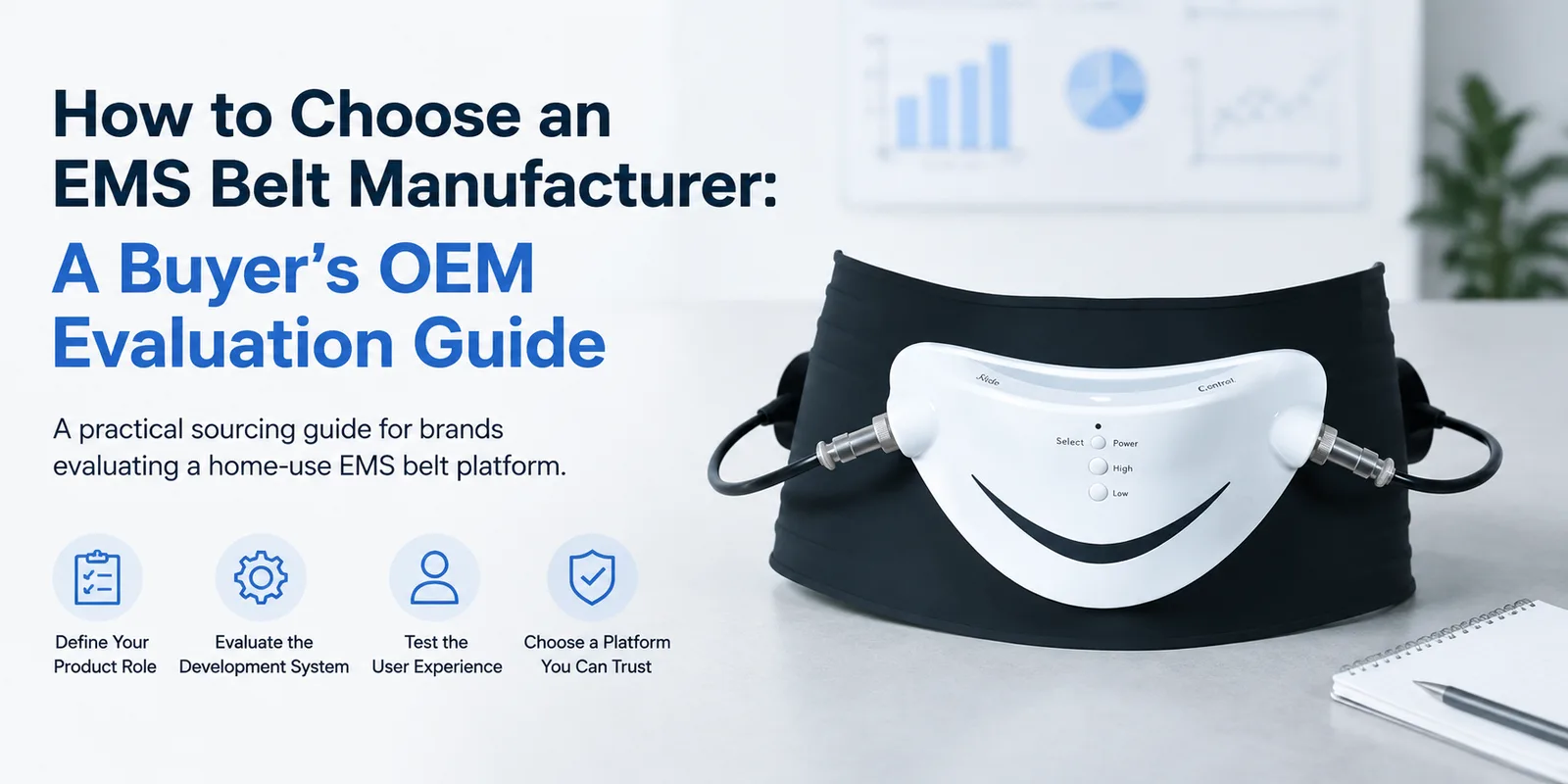
Before requesting quotations, decide what the belt needs to do for your product line. A value-led product may need dependable basic usability, straightforward packaging, and a disciplined cost structure. A mid-market product may need a stronger story around comfort, fit, program experience, and materials. A premium launch usually needs those elements plus a documented technical proposition that can withstand review in the markets you plan to enter.
Write the brief before you compare platforms. At minimum, define:
If those decisions remain open, supplier quotations are not really comparable. They may describe different assumptions about electronics, materials, accessories, packaging, testing, and after-sales service.
A sample answers one question: what is in your hand today? It does not prove that the same configuration can be specified, documented, inspected, and repeated at production scale. When evaluating an EMS belt manufacturer, bring technical questions into the conversation before artwork and packaging lock the project in.
Ask who can explain the program logic, electrode layout, power system, fit structure, and requested changes. Then ask for a written explanation of what is fixed, what is configurable, and what would require additional verification.
The supplier should be able to discuss:
"Full customization"is not a useful answer by itself. A stronger answer explains the development path, decision owners, validation work, and commercial effect of each requested change.
Do not approve a belt after a short showroom demonstration. Run the actual programs at the intended intensity levels and in the positions where customers are likely to use them. The goal is not to prove a result. It is to understand whether the product experience is stable, understandable, comfortable, and differentiated enough for its intended price tier.
Turn the test into written acceptance criteria. Review:
For a platform that combines EMS with other modules, test each function on its own and in the combinations you intend to sell. A feature can be technically present while still adding cost, complexity, training requirements, or claim risk without improving the customer experience.
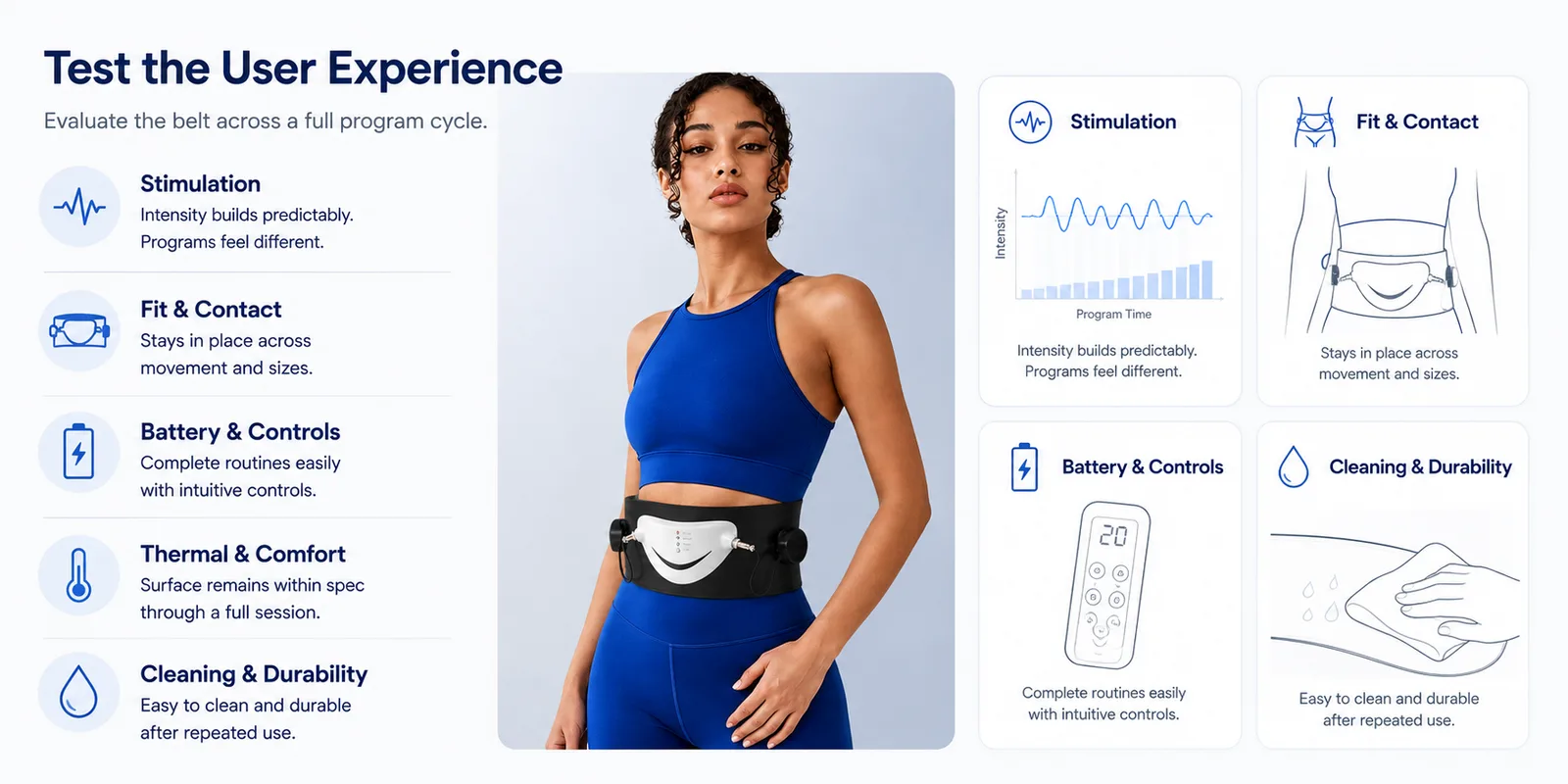
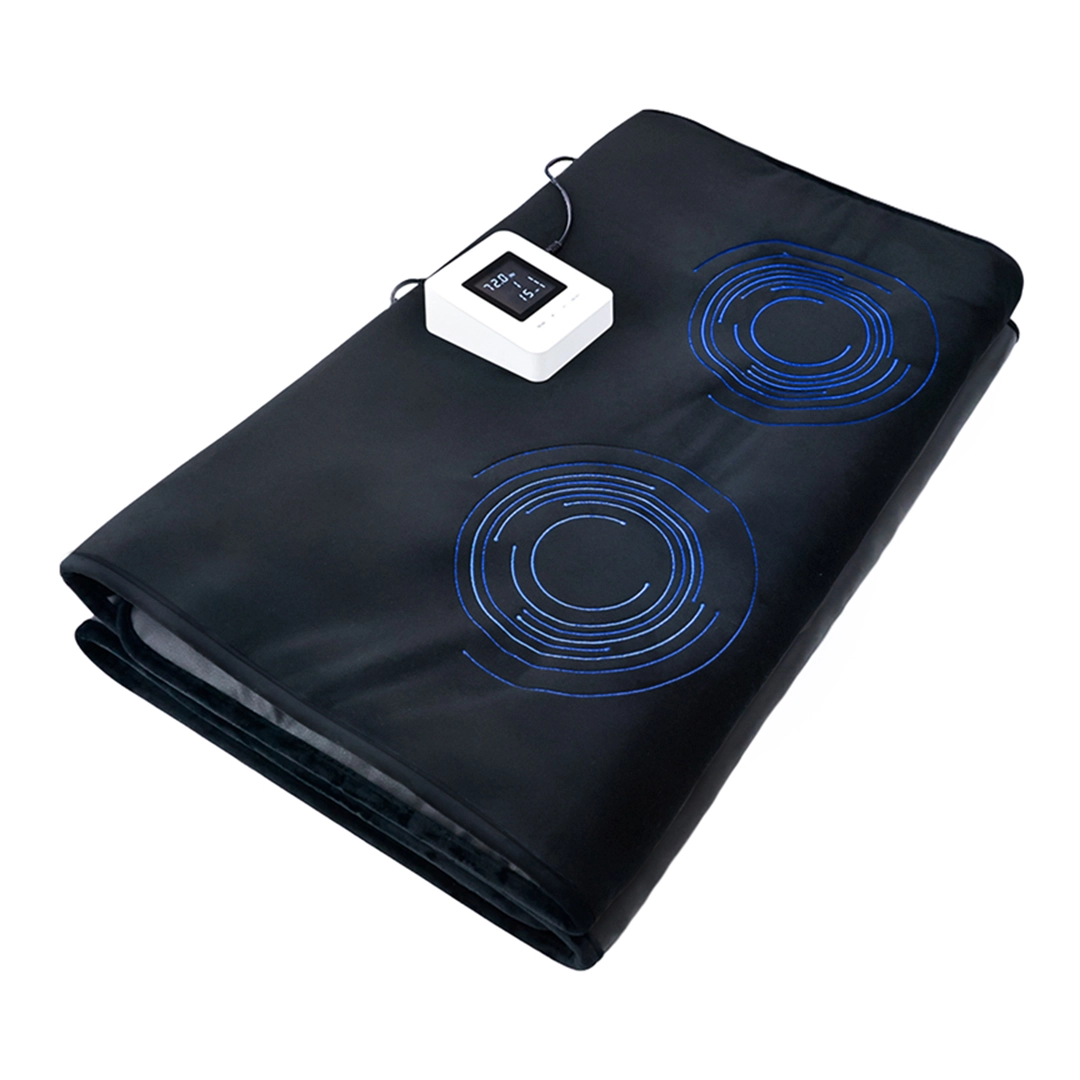
*User-provided conceptual evaluation visual; product configuration and claims require model- and market-specific review.*
Product positioning should be separated from unqualified weight-loss, fat-reduction, medical, safety, or outcome promises. For a home-use body-contouring product, confirm the permitted wording for the exact configuration and destination market before packaging, product pages, or paid campaigns are finalized.
Use a claim review that connects each statement to a product version and evidence source. For every proposed claim, ask:
The same discipline applies to engineering changes. A new electrode position, program mode, material, battery, handpiece, or firmware revision can affect testing, documentation, packaging, lead time, MOQ, and after-sales support. Define the change-notification and approval process before the production reference sample is signed.
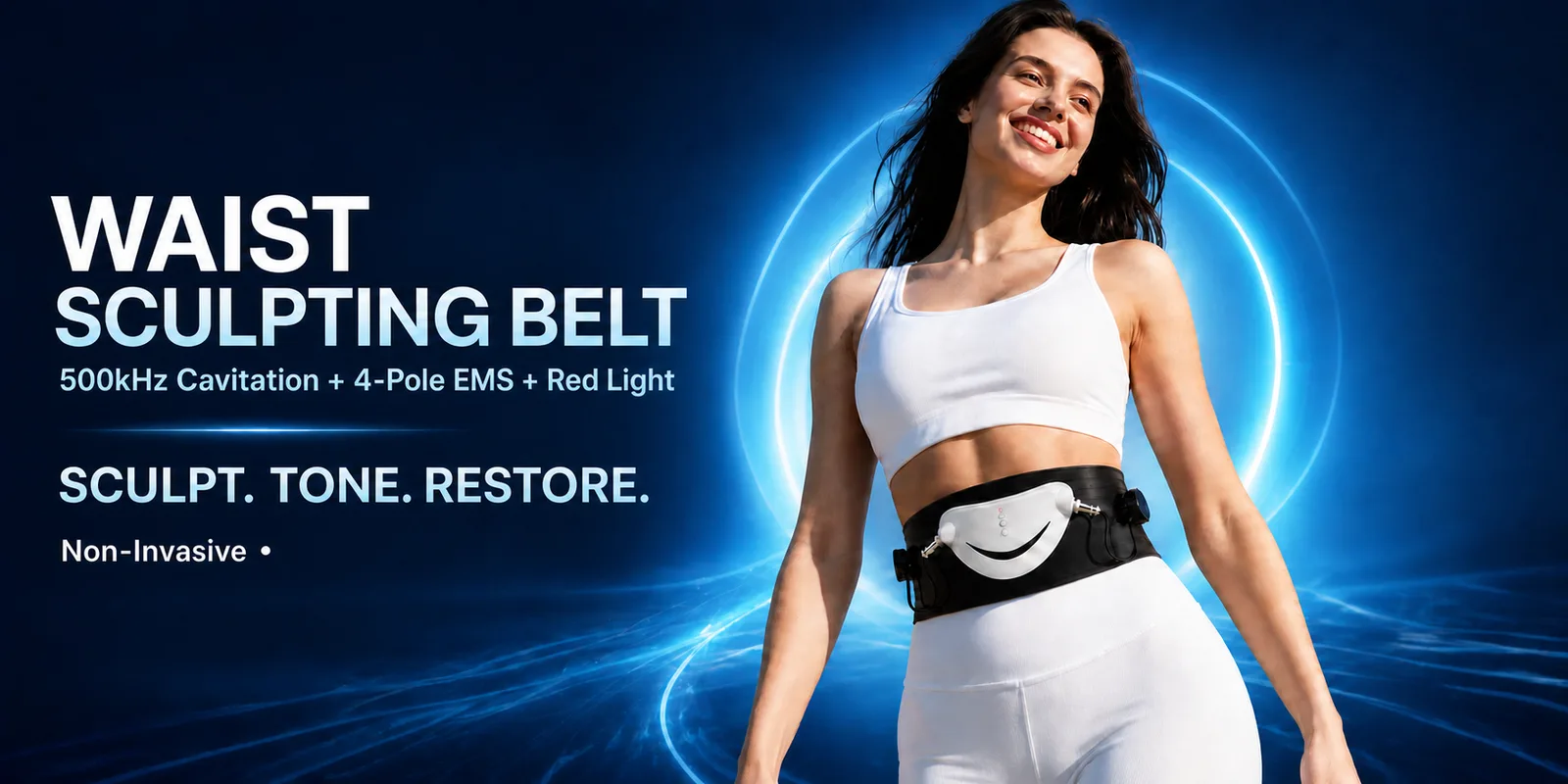
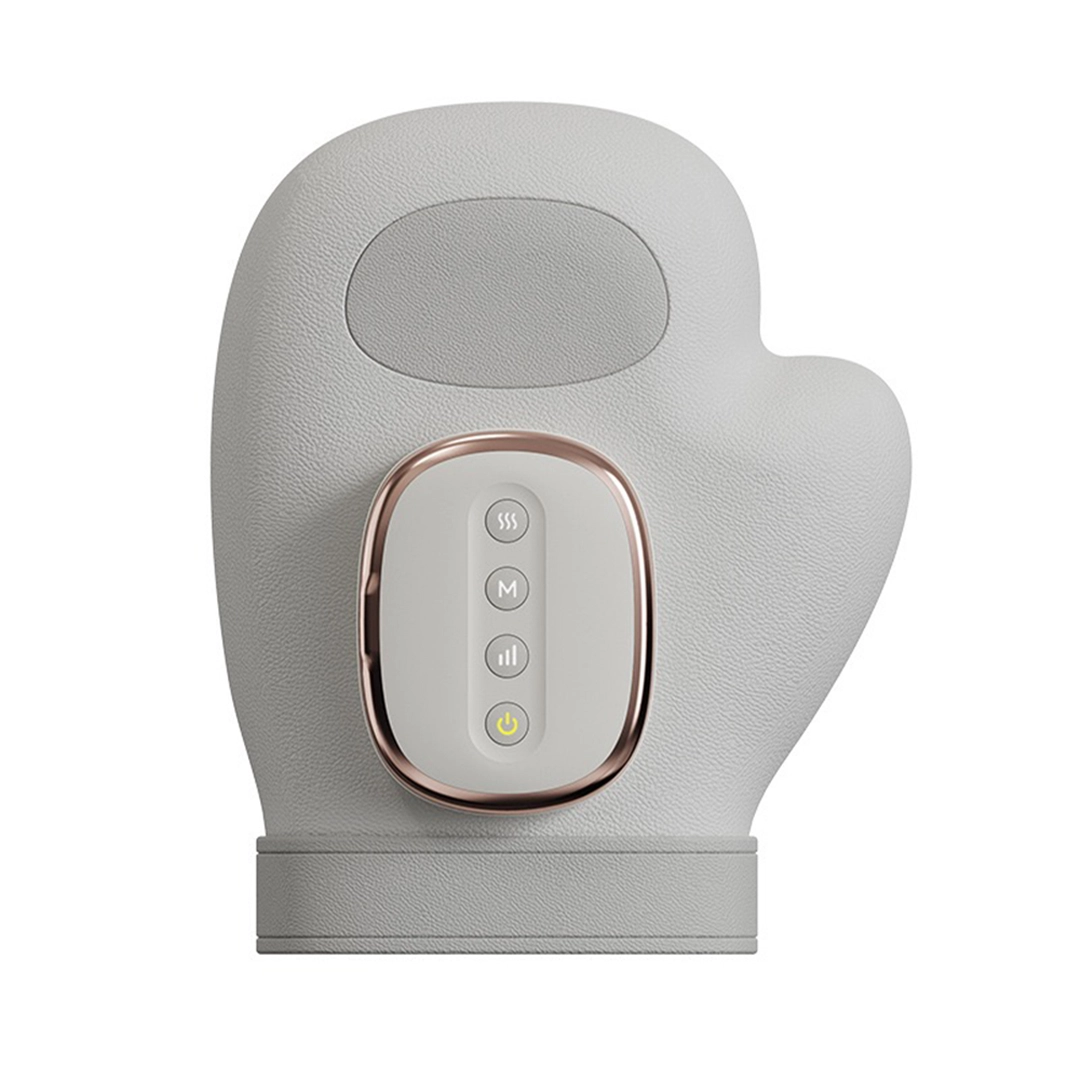
*User-provided conceptual product visual; confirm the final model, configuration, and permitted marketing claims before publication.*
OEM is often the practical starting point when a brand wants to enter the category with an established platform and tailor the visible brand experience. Depending on the selected model, this may include logo, color, strap details, exterior treatment, packaging, manuals, and selected program or module options.
ODM becomes more appropriate when proprietary structure, program logic, industrial design, or product architecture is central to the brand strategy. It also requires a clearer development brief, stronger ownership terms, and a longer validation plan.
The best first conversation is not "What is your lowest price?"Bring the target market, preferred technical configuration, expected quantity, brand positioning, and launch date. The supplier can then clarify the platform route, customization scope, sample plan, documentation questions, and production milestones.
For a product reference, review LecSnow's Waist Sculpting Belt. The page describes a multi-technology platform and customization options, but the final configuration, documentation, and permitted claims should still be confirmed for the specific order and market.
If your project needs a new structure or deeper functional changes, review the ODM development path before treating a catalog sample as a finished product definition.
Approve a production reference sample and a measurable specification. Confirm program behavior, fit, battery performance, thermal controls, materials, packaging, model-specific documentation, inspection standards, warranty responsibilities, and the process for approving changes.
Typical OEM work may include branding, color, strap details, packaging, manuals, and selected functional or program options. Confirm which changes are cosmetic and which affect cost, validation, timing, documentation, or support.
MOQ and timing depend on the approved configuration, packaging, testing needs, and order quantity. Treat any early figure as a project assumption until it appears in the quotation and production plan.
The most useful supplier is not necessarily the one with the lowest initial quote. It is the partner that can make the product brief, sample, evidence, change process, and production reference point to the same product. When those pieces align, your team can decide whether to request a sample, refine the platform, or move into a structured OEM/ODM project.
To discuss the intended market, customization scope, and sample plan, contact LecSnow.
Whether launching your first product or scaling your next bestseller, LecSnow is here to bring your vision to life faster, smarter, and without compromise.