A practical B2B guide to developing a premium home-use body care device for skin firming, cellulite appearance, body contouring and muscle stimulation, including technology logic, validation steps and ODM strategy.

Cellulite is not simply excess body fat. Scientific literature describes cellulite as a multifactorial condition involving the skin, subcutaneous fat, fibrous septa and local tissue architecture. It is especially common around the thighs, buttocks and hips, and published reviews estimate that it affects a large majority of post-pubertal women.
That matters for product development because skin laxity, cellulite appearance, body contouring and muscle stimulation are related but not identical objectives. A brand should first decide which problem it is trying to solve and which claim hierarchy it wants to build around the product.
Once the primary concern is clear, the product architecture becomes easier to evaluate. This is the starting point we recommend for any body care device OEM or ODM project.
One technical reference behind our body-care development comes from therapeutic ultrasound. In the professional textbook Physical Therapy (物理治疗学), edited by Yan Tiebin (燕铁斌), the relationship between ultrasound frequency, tissue absorption and penetration is discussed.
The textbook explains that, under the referenced conditions, higher-frequency ultrasound is absorbed more rapidly and has a shallower half-value depth, while lower-frequency ultrasound has greater penetration through biological tissue. Examples in Table 23-3 include 0.8 MHz values for muscle, fat and mixed fat-plus-muscle tissue that are notably deeper than the values listed for frequencies around 2.4 to 2.5 MHz.
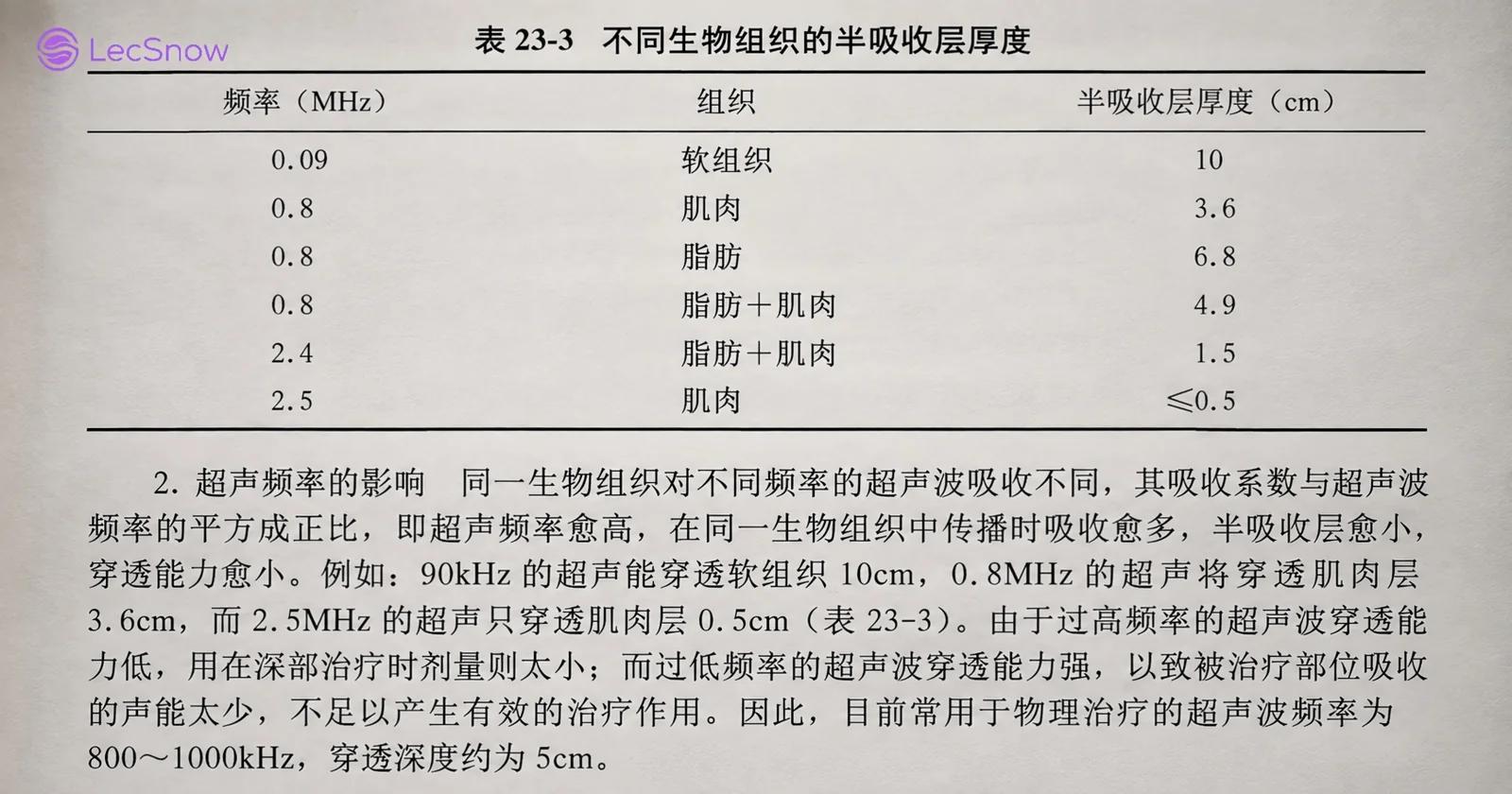
Figure 1. Reference from Physical Therapy (物理治疗学), Chief Editor: Yan Tiebin (燕铁斌), Table 23-3.
This principle was one of the references behind our use of approximately 800 kHz ultrasound in selected body-care platforms. The correct interpretation, however, is not that a specific consumer device “treats exactly X centimeters deep.” The textbook values describe half-value absorption depth under referenced conditions. Actual acoustic behavior depends on transducer design, acoustic output, coupling, tissue composition and the complete system.
The engineering takeaway is therefore simple: ultrasound frequency should be selected around the intended application rather than treated as an arbitrary number on a specification sheet.
Published dermatological literature provides additional scientific background for ultrasound in skin tightening, body contouring and cellulite-related applications. A 2018 review examined the use of ultrasound across these areas, including treatment of the abdomen and thighs.
Ultrasound for Skin Tightening, Body Contouring and Cellulite Reduction – PubMed
There is also published research evaluating combined RF and ultrasound systems. One clinical study involving 275 patients examined professional RF + ultrasound treatment on areas including the abdomen and thighs.
Combined RF + Ultrasound Clinical Study – PubMed
Important evidence boundary These studies provide scientific and clinical background for the technology categories. They are not clinical testing of LecSnow's specific handheld devices. Brands intending to make stronger efficacy or medical-style claims should evaluate the finished production device, treatment protocol, target population and intended claims.
The purpose of combining multiple technologies should not be to make the specification sheet look more impressive. A well-designed multi-technology body device should be built around different layers of the treatment experience, with each technology contributing through a different mechanism.
| RF | Ultrasound | EMS | LED |
|---|---|---|---|
| Skin-firming and thermal treatment layer | Tissue-treatment and body-contouring layer | Muscle-stimulation and toning layer | Complementary skin-care layer |
Radiofrequency is widely used in aesthetic applications where controlled thermal energy forms part of the treatment mechanism. In a home-use body platform, RF can therefore support a skin-firming-oriented treatment concept. Its real behavior depends on more than frequency alone: electrode geometry, contact area, energy delivery, thermal management, treatment time and skin contact all matter. For home use, the design goal is not maximum energy. It is controlled, repeatable and comfortable delivery within an appropriate safety range.
Ultrasound has been investigated in aesthetic applications for body contouring, skin tightening and cellulite treatment. Unlike RF, which is primarily associated with controlled thermal treatment, ultrasound introduces acoustic energy into tissue and provides a different mechanism within the overall body-care approach. For a home-use body-care device, this makes ultrasound particularly relevant to treatment concepts focused on body contouring and improving the appearance of cellulite, especially across areas such as the abdomen, thighs and buttocks.
Its actual effect depends on the ultrasound modality, frequency, acoustic output, treatment protocol and overall device design. The therapeutic-ultrasound principles discussed earlier therefore provide a useful technical foundation, while the final performance must be evaluated at the finished-device level.
EMS introduces a neuromuscular component through electrical stimulation. In a body-care platform, this can support muscle-stimulation and toning-oriented routines on areas such as the abdomen, thighs and upper arms. Its role should be described accurately. Muscle stimulation is not automatically equivalent to fat reduction or weight loss.
LED generally plays a supporting role in this type of platform. It can reinforce the skin-care positioning and help create a more complete treatment ritual, but it should still have a reason to be included rather than being added merely to increase the number of functions.
The combination only makes sense when the roles are clear. The logic is not “RF + ultrasound + EMS + LED = more powerful.” A more defensible development logic is: different technologies, different mechanisms, complementary treatment experience.
A skin-firming-focused brand may place greater emphasis on RF and treatment-head design. A brand focused on toning may give EMS a larger role. A broader cellulite-appearance and body-contouring concept may benefit from combining RF, ultrasound and EMS, provided the protocol remains practical for home use.
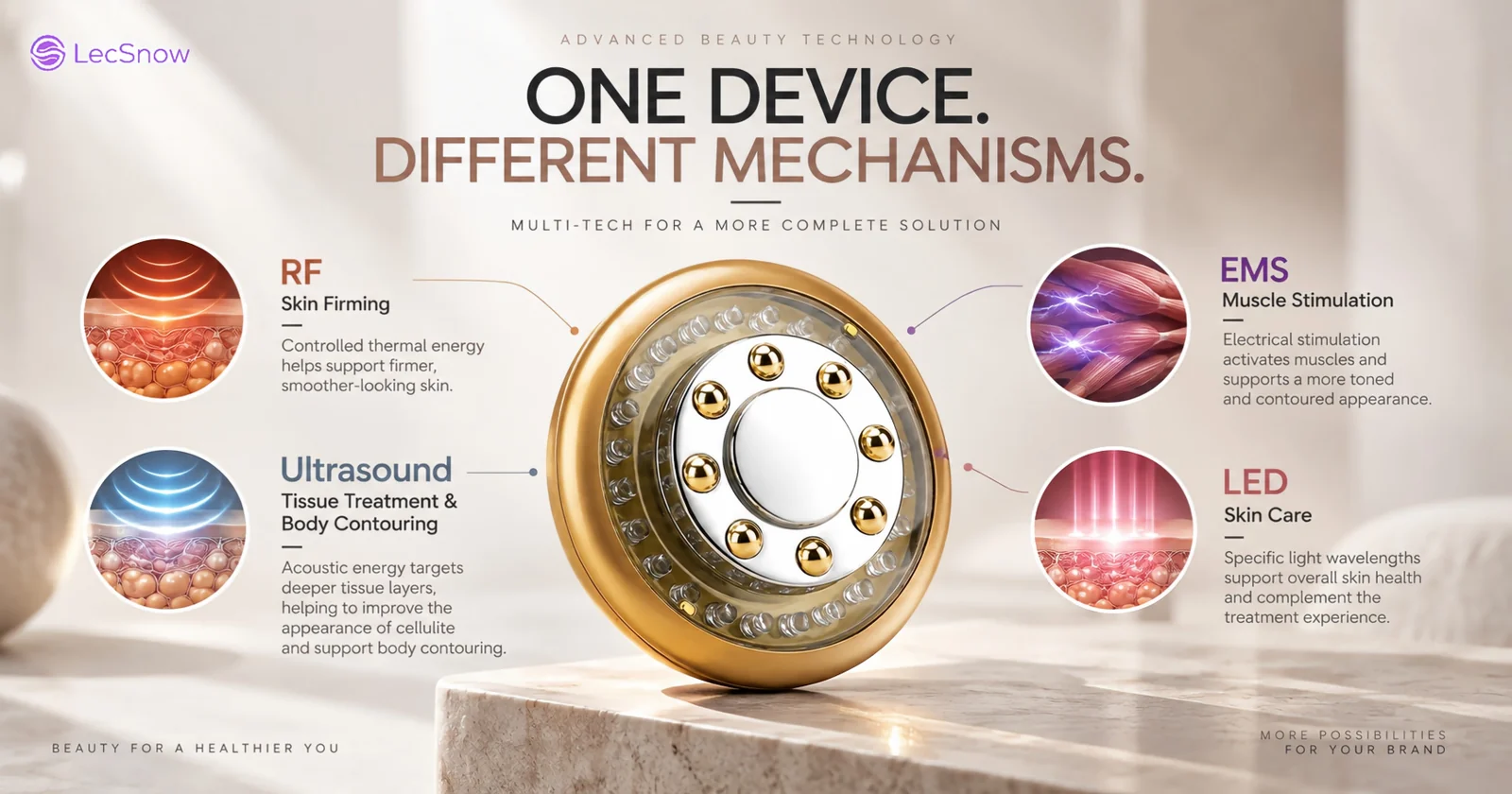
Figure 2: Multi-technology body care device combining RF, ultrasound, EMS and LED
Electrical specifications alone do not completely describe how an RF or EMS device behaves during actual use. The human body is part of the electrical load, and skin/contact impedance varies with skin hydration, treatment area, electrode contact, pressure and the treatment medium used.
For example, dry skin and well-hydrated skin can produce different electrical responses under otherwise similar settings. Conductive gel and contact quality can also influence the current delivered during treatment.
For this reason, we recommend evaluating the complete system rather than judging a body device by one isolated number. Energy architecture, treatment-head design, contact area, thermal management, conductive medium, control logic and treatment protocol need to be considered together. Detailed RF, EMS and ultrasound specifications can be reviewed with the brand during the technical evaluation stage.
Body-care devices face a practical problem that facial devices do not: treatment area. The abdomen, thighs, buttocks and upper arms cover much larger surfaces. A small facial-size electrode may technically work, but it can make a body treatment unnecessarily slow and repetitive.
This is why our current body-care platforms use relatively large treatment and massage heads. Depending on the product concept, they can be used around the upper arms, thighs, buttocks, waist, abdomen, shoulders and neck.
For a home-use body care device OEM project, treatment-head geometry should be considered early. Ergonomics, grip angle, device weight, contact area and treatment time can all influence whether consumers continue using the product after the first few sessions.
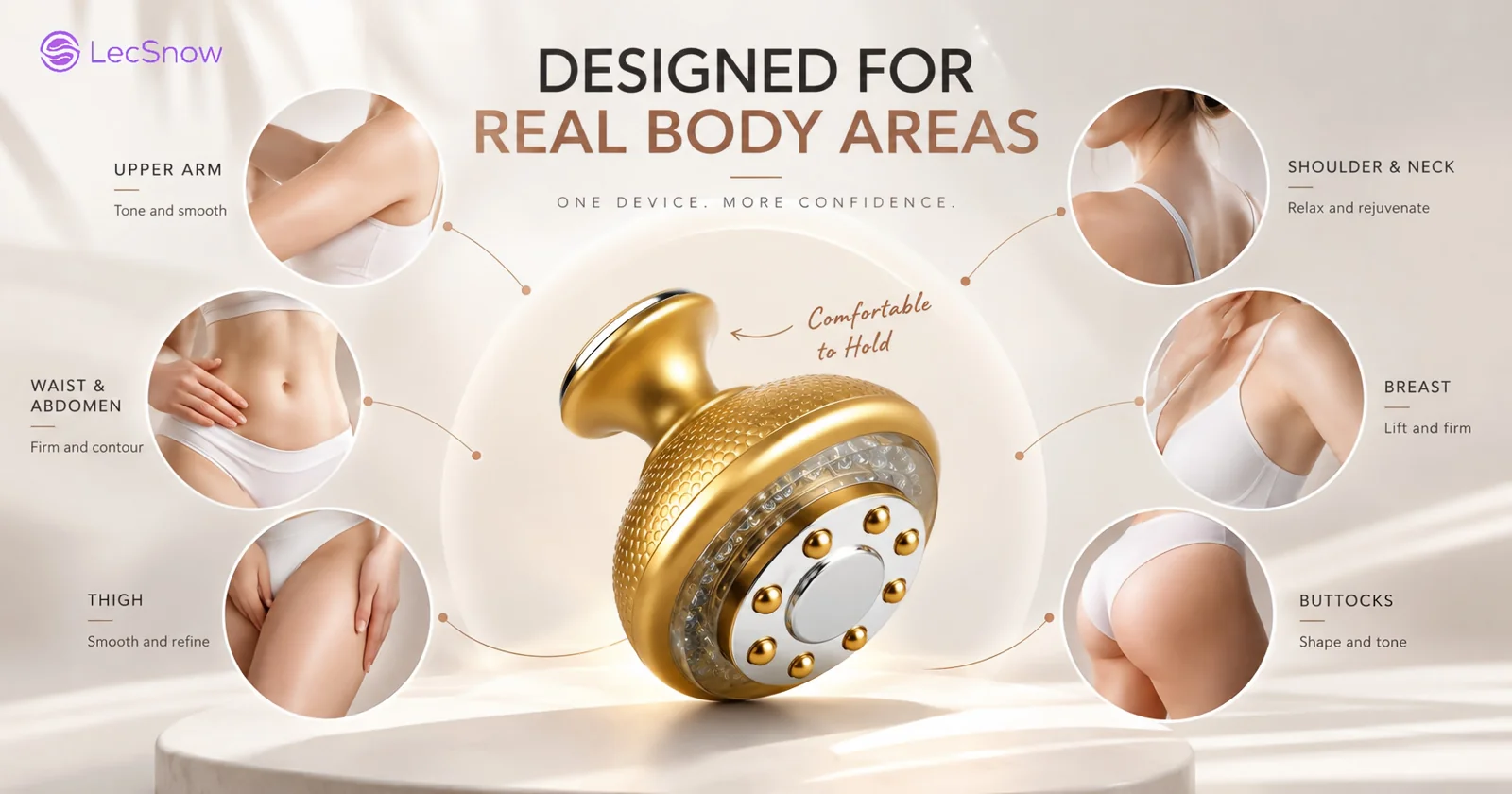
Figure 3:Large treatment head body contouring device for upper arms, thighs, waist and abdomen
There is no universal specification for every brand. An emerging brand may prioritize an accessible price and simpler story. A more established beauty brand may want a stronger combination of skin firming, body contouring and muscle stimulation. A premium brand may place more weight on industrial design, treatment experience and differentiation from generic marketplace products.
This compact handheld platform combines multiple complementary body-care technologies with a relatively large treatment surface 55mm. It can provide a practical starting point for brands exploring premium skin-firming, cellulite-appearance and body-contouring concepts without immediately developing a completely new architecture.
View the RES Skin Contouring Beauty Device
This platform provides another route for brands prioritizing convenient home use, larger-area treatment 72mm and integration into an existing beauty or wellness routine, IPX7 waterproof feature. The final positioning can be adapted according to the target market, price level and desired degree of customization.
View the Handheld Body Shaping Device

Figure 4: an IPX7 waterproof skin tightening body contouring device
If body skin tightening, cellulite care or body contouring is a new category for your brand, we normally recommend starting with an existing platform rather than investing heavily in customization from the beginning.
SAMPLE EVALUATION → INITIAL MARKET TEST → CUSTOMER FEEDBACK → PRIVATE LEBEL / OEM → Semi-ODM / ODM
Evaluate the actual treatment experience, performance, ergonomics and whether the product fits your target market and planned retail positioning.
If the sample meets your expectations, the next practical step is to introduce the product to the market and collect real customer feedback.
For most brands, this is the most practical starting point for commercialization. Logo, packaging, color and other brand elements can be customized while retaining a mature existing product platform.
Our standard MOQ for private-label production is generally 1,000 units, while for a first order, we can discuss more flexible arrangements depending on the product and project.
As sales and customer feedback develop, functions, settings or selected product details can be further adjusted through Semi-ODM. If the existing platform can no longer meet the brand's product strategy, and there is sufficient sales potential and channel support, deeper ODM development can then be evaluated.
The objective is not to customize as much as possible from day one, but to increase the level of investment as the market becomes more proven.
Lower-risk development logic Validate the category first. Customize around proven demand second.
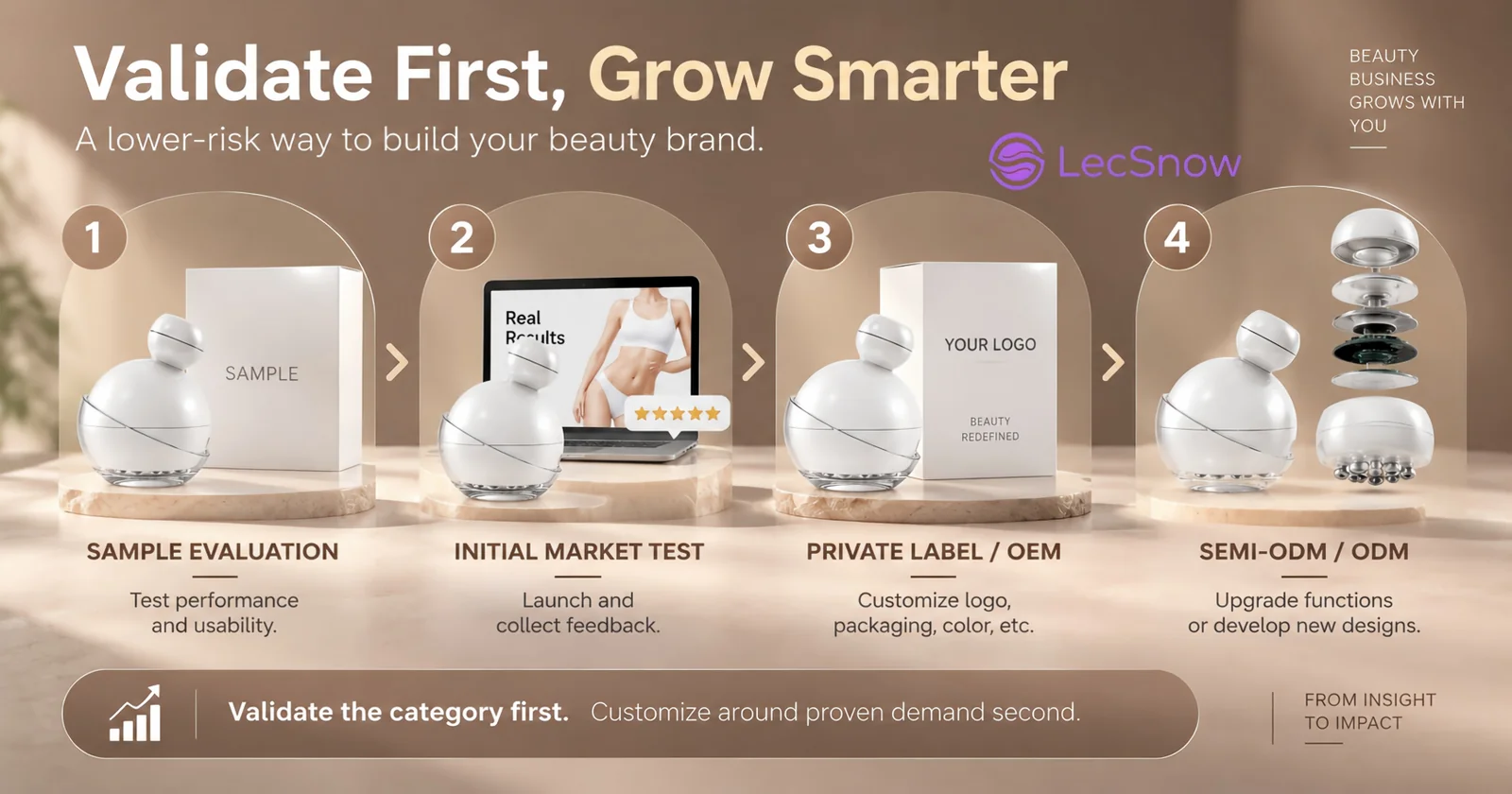
Figure 5: Body care device OEM ODM development process from sample evaluation to deeper customization
Developing a differentiated body-care device does not always require starting from zero. A mature platform can remain the engineering foundation while selected elements are adapted to the brand. Depending on the project, this can range from branding and appearance changes to function adjustments, treatment programs, structural modifications or a more distinctive industrial design.
For strategic ODM projects, we can also evaluate customer-specific or regional protection for selected customized elements. Any exclusivity should be tied to clearly defined commercial conditions, such as the protected market, specific design or feature, tooling ownership, order commitment and exclusivity period. This creates a more practical form of differentiation than simply asking for an “exclusive product” without defining what is actually being protected.
A premium body-care device should not begin with the question:“How many technologies can we put into one machine?” A stronger development sequence is:
TARGET CONCERN → INTENDED CLAIMS → TECHNOLOGY ARCHITECTURE → TREATMENT EXPERIENCE → COMPLIANCE → DESIGN → MARKET POSITION
At LecSnow, we support beauty and wellness brands developing home-use body care devices, from sample evaluation and private label/OEM production to Semi-ODM and deeper product development. If you are exploring an at-home body skin tightening and cellulite device, we can help evaluate the appropriate RF, ultrasound, EMS and LED combination, treatment-head design and product platform based on your target market, positioning and expected retail price.
Whether you want to start with an existing body-care platform or develop a more differentiated ODM product, tell us what you want the product to achieve, where you plan to sell it and how you want it positioned. We can start from there.
Exploring a body skin-tightening, cellulite-appearance or body-contouring device for your brand? Start with your target market, intended price point and the consumer problem you want to solve. LecSnow can help you evaluate an existing platform first, then determine whether deeper OEM/ODM customization is commercially justified.
Whether launching your first product or scaling your next bestseller, LecSnow is here to bring your vision to life faster, smarter, and without compromise.