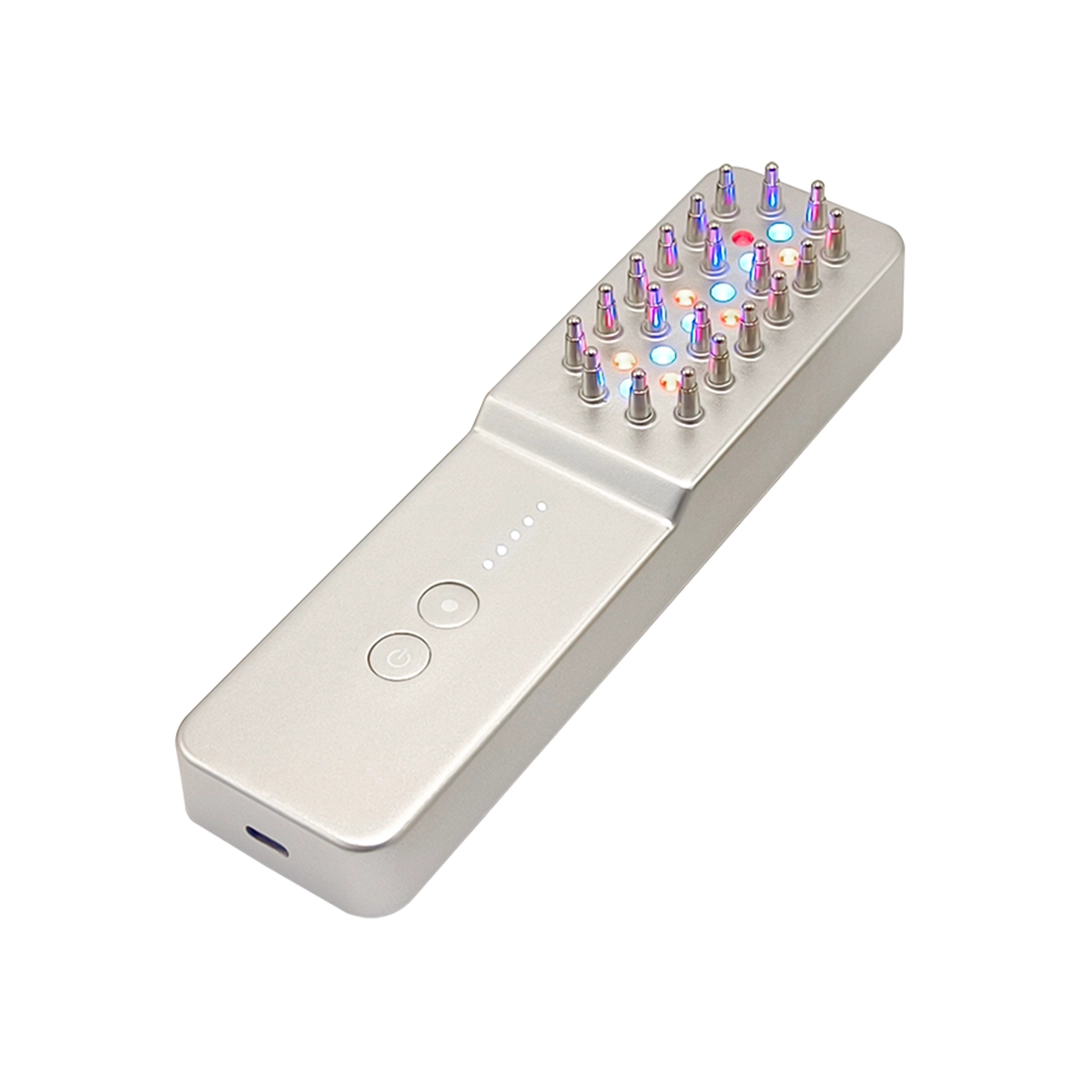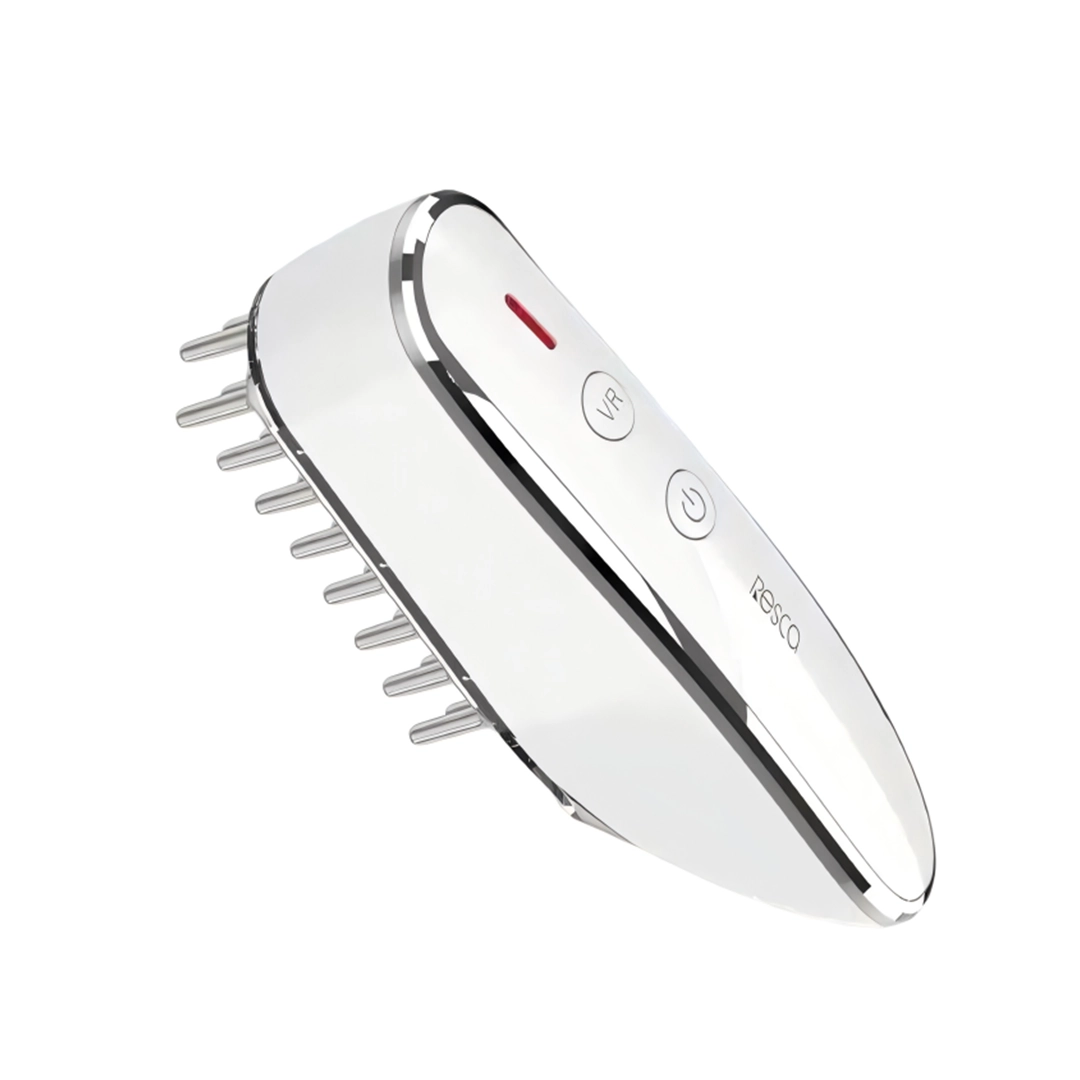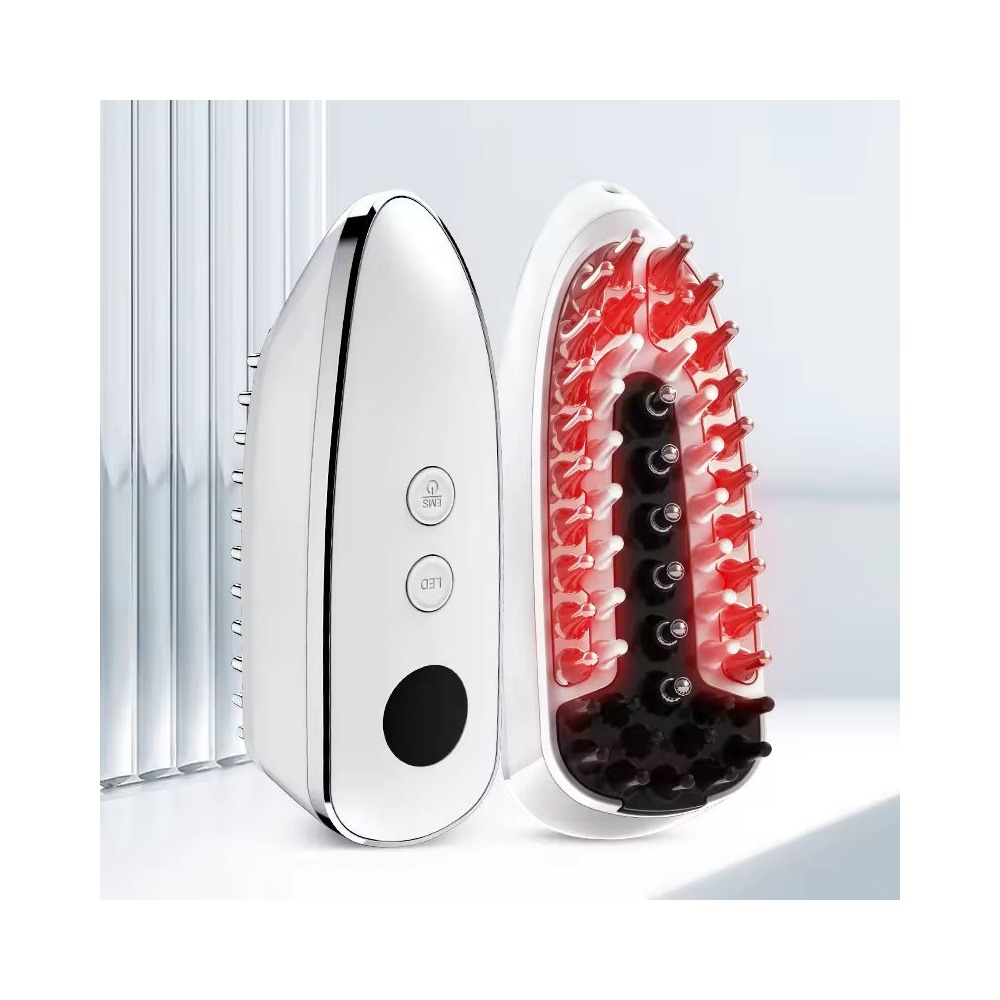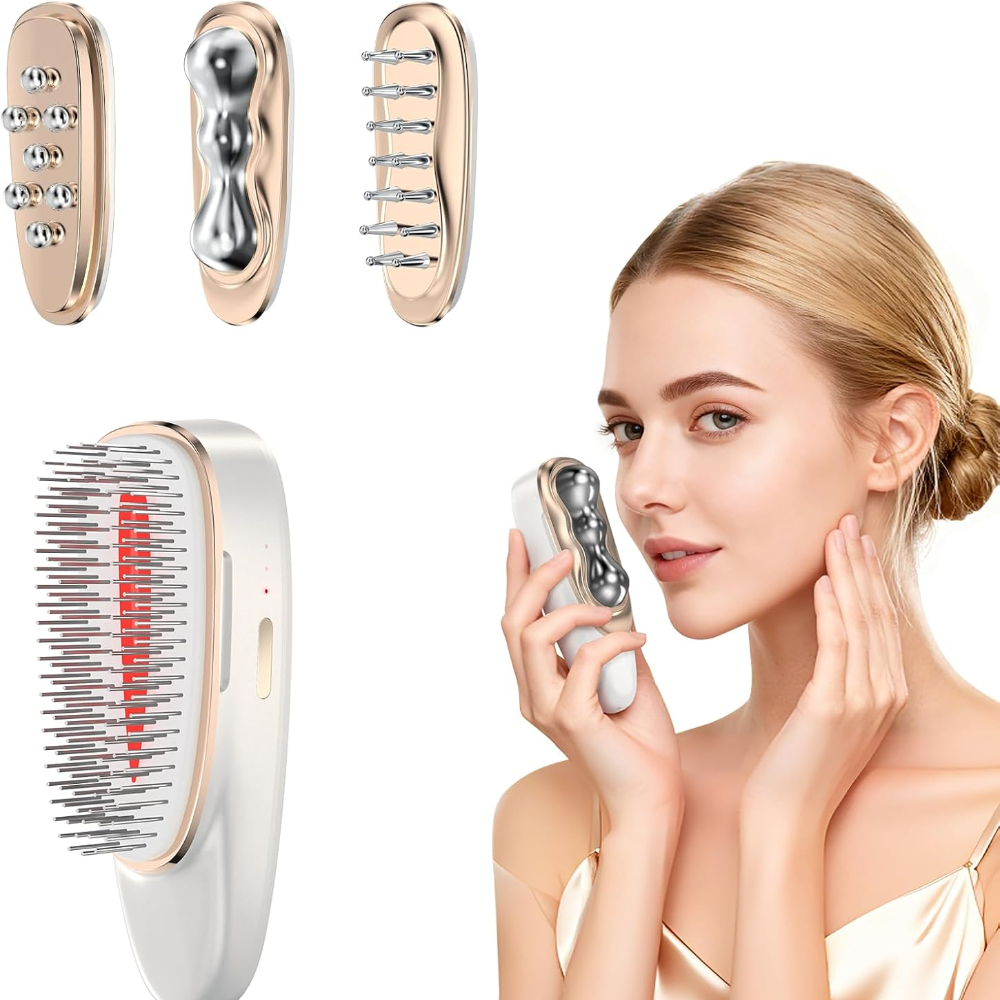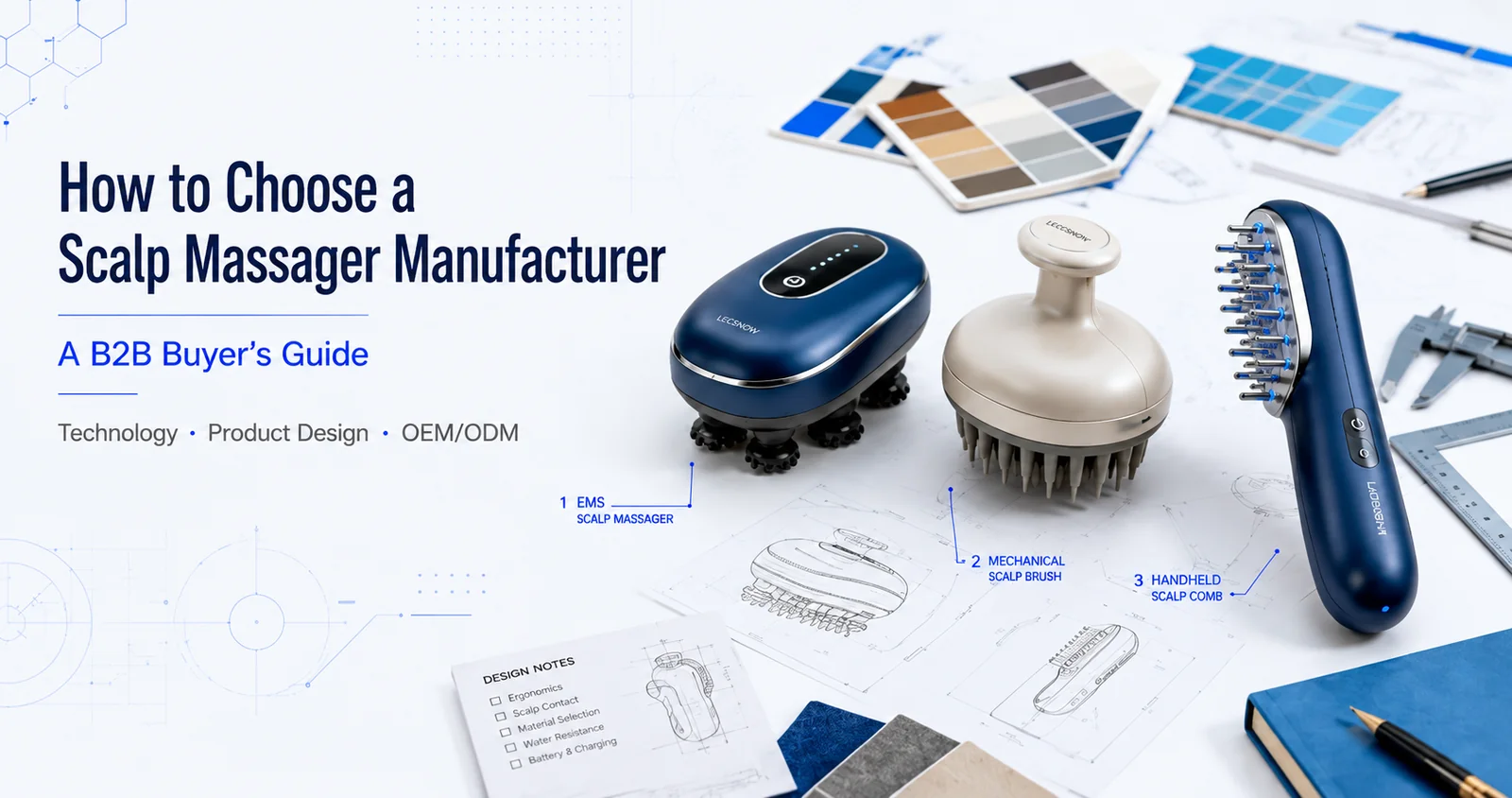
Before contacting an electric scalp massager manufacturer, product managers should define the consumer problem, product format, technology role, device-and-serum relationship, and claim boundary. This guide walks through each decision before supplier evaluation.

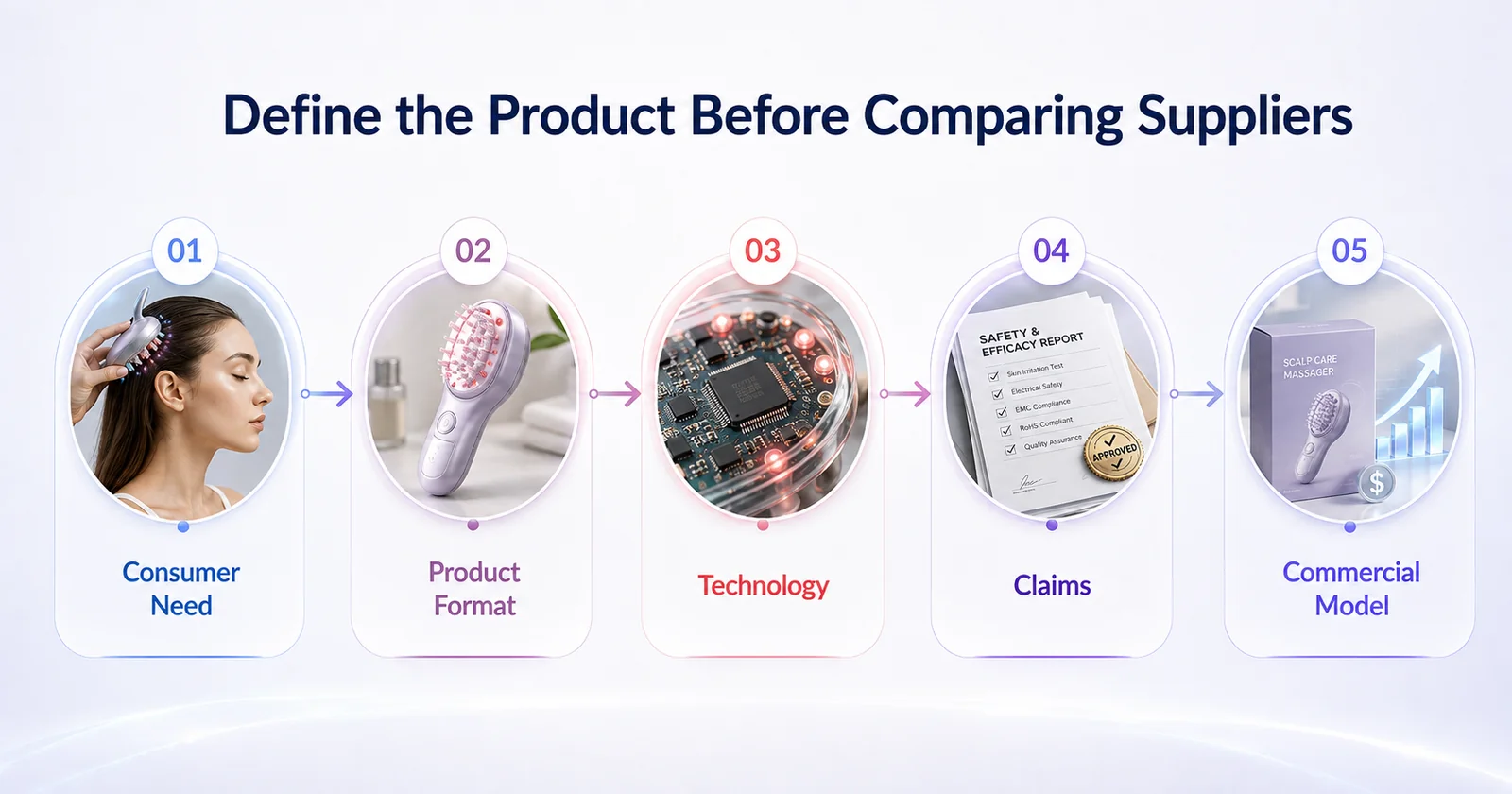
Before contacting an electric scalp massager manufacturer, product managers should first define what type of scalp care product their brand is actually building.
Is it a simple massage tool, a red-light hair wellness device, a serum applicator or a clinically positioned hair growth system?
These products may appear in the same search results, but they involve different technologies, user routines, development costs and regulatory responsibilities. Without a clear product brief, brands often compare suppliers by function count and price—then discover that the selected device does not fit their market, formula or claims.
Here is what product and project managers should understand before beginning supplier evaluation.
Scalp care is expanding beyond shampoos and conditioners into serums, massage tools, light-based devices and home treatment systems.
According to Grand View Research, the global hair and scalp care market was valued at USD 88.2 billion in 2025 and is projected to reach USD 150.5 billion by 2033, representing a CAGR of 7.0%.
The more specific scalp massager market was valued at USD 851.5 million in 2024 and is projected to reach approximately USD 1.29 billion by 2030, growing at a CAGR of 7.3%. Electric products accounted for over 64% of the market, while household use represented more than 70%.
The opportunity is not simply “another hair tool.” It comes from three connected trends:
However, market growth does not guarantee product success. Brands still need a clear reason why consumers should add a device to an already crowded hair care routine.
The lesson is not to copy these brands. Consumers enter the category through different motivations: convenience, relaxation, premium self-care, scalp-product application or a more evidence-led hair-growth program. Your concept should select one primary promise instead of trying to compete in every direction.
“Scalp care” is too broad to function as a product brief. Brands should decide which consumer need the device is designed around:
This choice influences the structure, technology, content strategy and acceptable claims. A massage-led product should prioritize comfort and cleaning; a serum-led product must prioritize liquid compatibility; and a light-based product requires more attention to wavelength, output, coverage and treatment protocol.
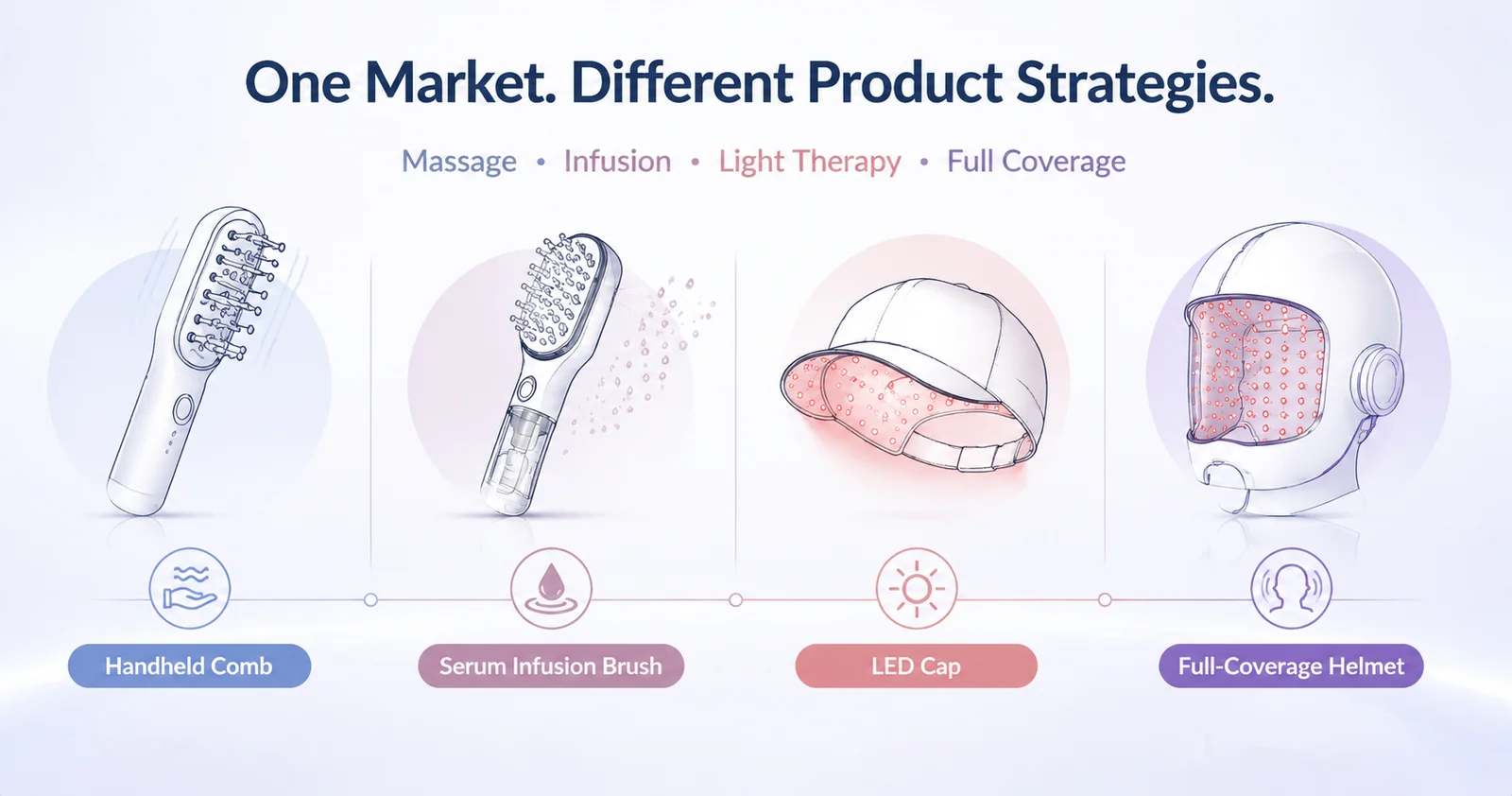
Electric Scalp Massager: Mechanical kneading or vibration is easy to understand but often price-competitive unless the design or use case is distinctive.
Scalp Care Comb: A handheld comb can separate hair while delivering massage, light, electrical stimulation or serum, but performance depends on scalp contact and user movement.
Helmet or Cap: Wearable formats offer hands-free use and wider coverage, but usually involve higher component costs, fit considerations and stronger regulatory expectations.
Serum-Infusion Device: This format connects hardware to a consumable routine and can support serum, refill-pod or treatment-set revenue.
The correct format should be selected according to customer behaviour—not because a supplier describes it as its newest product.
Product managers do not need to become engineers, but they should understand the purpose of each technology.
More technologies do not automatically create more consumer value. Every function should have a clear role in the routine.
If a device includes a reservoir or dispensing system, the formula cannot be treated as a separate project. The manufacturer should test serum viscosity, dispensing consistency, sealing, material compatibility, residue, cleaning and blockage risk. Water testing alone is insufficient if the final formula contains oils, polymers or a higher-viscosity base.
The commercial model must also be decided early: will users add their own serum, purchase a compatible bottle or use proprietary pods? That choice affects recurring revenue, packaging, formula development and convenience.
There is an important difference between scalp massage and relaxation, supporting a scalp care routine, improving the appearance of fuller-looking hair, and treating hair loss or promoting hair regrowth.
The final positioning may affect testing, documentation and regulatory requirements. In the United States, a product intended to treat androgenetic alopecia or promote hair regrowth may fall within a medical-device framework. FDA establishment registration is not equivalent to FDA 510(k) clearance.
Terms such as “meridian therapy” may be familiar in some Asian wellness markets, but Western positioning is usually clearer when expressed as scalp and body wellness massage, without unsupported therapeutic claims.
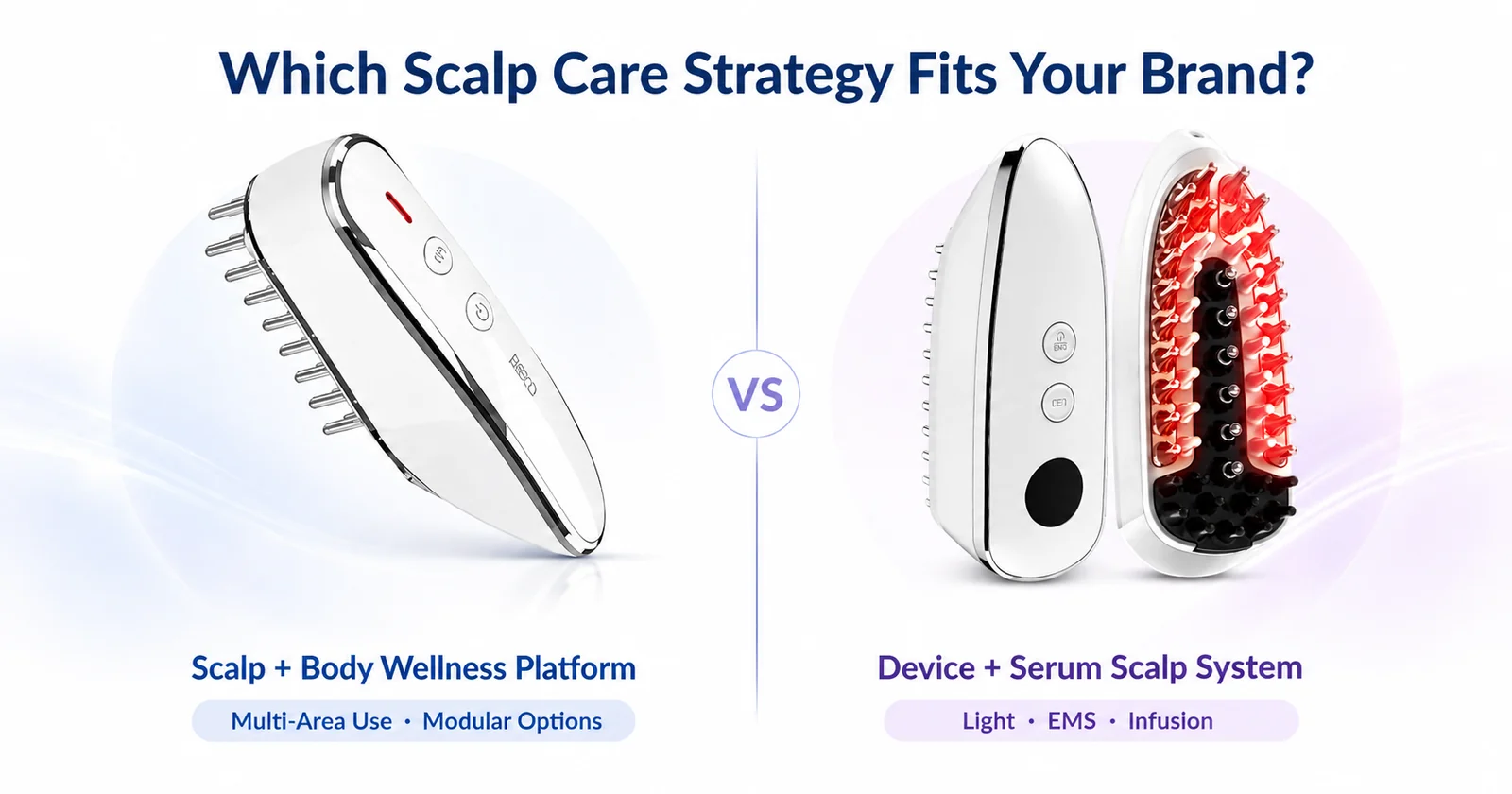
The Scalp & Body wellness Comb can be configured with red light, EMS, RF and vibration, with optional liquid dispensing and interchangeable heads. Its differentiation lies in supporting scalp, neck and body routines rather than only hair care.
This direction is more suitable for brands focused on relaxation, beauty rituals and multi-area wellness.
The Laser & Serum Infusion Scalp Massager combines four 650nm laser modules, 25 red-light LEDs, EMS, vibration and a detachable 5ml serum reservoir.
It is more relevant to hair care brands that already sell—or plan to develop—scalp serums. Its strategic value is connecting the device with a repeat-purchase formulation. Final claims must still be supported by the applicable testing and regulatory strategy.
The first step is not finding the lowest-priced electric scalp massager manufacturer. It is defining a product that customers can understand, use consistently and distinguish from existing scalp tools.
Once the consumer problem, format, technology role, serum model and claim boundary are established, supplier comparison becomes more meaningful—and the risk of developing a feature-heavy but commercially weak product is significantly reduced.
Whether launching your first product or scaling your next bestseller, LecSnow is here to bring your vision to life faster, smarter, and without compromise.